You Bought the House… Then Found a Problem the Next Week. Now What?
You Bought the House… Then Found a Problem the Next Week. Now What?
Found a leak, mold, plumbing issue, or another problem after buying a house? Here’s what buyers should do after closing, what documents to check, and when warranties, insurance, or professional advice may come into play.
Buying a home is supposed to end with a pretty great moment.
You sign the paperwork.
You get the keys.
You move in.
Then a few days later…
There is water under the sink.
The HVAC stops working.
You notice a stain on the ceiling that you swear was not there before.
Or you discover something much bigger than a minor repair.
And suddenly, you have a question you probably never expected to ask:
“I already closed. Now what?”
The answer depends heavily on what happened, when it happened, what was known before the sale, what was disclosed, and what your inspection and contract documents say.
But discovering a problem after closing does not mean your first move should be to panic—or immediately assume someone hid something from you.
There are several things buyers should look at first.
First: Document the Problem
Before throwing anything away, tearing something apart, or making major repairs, document what you found.
Depending on the situation, that could include:
- Photos
- Videos
- Dates
- Contractor observations
- Estimates
- Invoices
- Emails or text messages
- Damaged materials
- Any other relevant records
Obviously, an emergency comes first.
If water is actively flooding the house, stop the water.
If there is an electrical or safety hazard, deal with the immediate danger.
But when possible, preserve evidence of what the problem looked like when you discovered it.
That information could become important later.
Next, Go Back to Your Documents
This is one reason buyers should keep their transaction records after closing.
Pull out the documents associated with the purchase, including anything relevant such as:
- Seller disclosures
- Home inspection report
- Repair agreements
- Receipts for negotiated repairs
- Home warranty information
- Closing documents
- Relevant correspondence
You are trying to establish a timeline.
Was there any indication of this issue before you purchased the property?
That question can change everything.
Was the Problem Disclosed?
Suppose you discover evidence of an old leak.
Go back to the seller's disclosure information and other transaction records.
Was a previous leak disclosed?
Was a repair mentioned?
Was the issue discussed during negotiations?
If the problem was disclosed before the purchase, that is very different from discovering something that appears to have been known but was not disclosed when disclosure was required.
And that distinction matters.
What If You Think the Seller Knew?
This is where buyers should be careful about jumping to conclusions.
Finding a defect after closing does not automatically prove that the seller knew about it.
Imagine discovering moisture behind a wall.
You know it is there now.
But that alone does not tell you:
- When it started
- Whether it existed before closing
- Whether the seller knew about it
- Whether it had previously been repaired
- Whether it developed after you took ownership
Those details can matter significantly.
If you believe a serious issue was improperly concealed or not disclosed, consider getting advice from an appropriate Tennessee real estate attorney rather than relying on assumptions about your legal options.
Check the Home Inspection Report
Your inspection report can be extremely useful after closing.
Search for the area or system involved.
Did the inspector:
- Identify a defect?
- Recommend further evaluation?
- Note limited access?
- Flag signs of moisture?
- Mention the age of the system?
- Recommend a specialist?
Sometimes buyers discover that the inspection report had already identified a concern.
Other times, the issue may not have been visible or detectable during the inspection.
A home inspection is important, but it is not a guarantee that nothing will ever go wrong with the property.
What If the Problem Was Hidden?
Some problems simply are not obvious during a normal showing or inspection.
They might be:
- Behind drywall
- Under flooring
- Inside plumbing
- In inaccessible areas
- Intermittent
- Covered by furniture or stored items
That is why discovering a problem after closing does not automatically tell you who, if anyone, is responsible.
The circumstances matter.
What If the Seller Made a Repair Before Closing?
This is another reason repair documentation matters.
Suppose the inspection found a plumbing issue.
The seller agreed to have it repaired.
Then two weeks after closing, you discover a problem in that same area.
Go back and review:
- The repair agreement
- Contractor information
- Receipts
- Invoices
- Warranty information
- Any documentation showing what work was actually performed
There may be a contractor warranty or another avenue worth investigating.
Do not assume the only two options are “seller pays” or “buyer pays.”
What About a Home Warranty?
If a home warranty was included with the purchase or you purchased one yourself, check the coverage.
Depending on the plan, certain systems or appliances may qualify for service.
Coverage, exclusions, service fees, waiting periods, and claim requirements vary.
So rather than assuming something is covered—or assuming it isn't—review the actual policy and contact the warranty provider.
What About Homeowners Insurance?
Homeowners insurance is another possibility buyers often think about immediately.
But insurance coverage depends on what caused the damage and what the policy covers.
A sudden covered event can be treated differently from:
- Normal wear
- Deferred maintenance
- Gradual deterioration
- Certain pre-existing conditions
- Excluded causes of loss
If there has been significant damage, contact your insurance provider and ask how your specific policy applies.
What If Something Breaks Immediately After Closing?
This can be incredibly frustrating.
But timing alone does not necessarily establish responsibility.
An HVAC system can work during the inspection and fail later.
A water heater can reach the end of its life.
An appliance can stop working.
Homes contain systems, materials, and mechanical components that eventually fail.
Sometimes the timing is simply terrible.
That is why documentation and professional evaluation are so important before assuming what happened.
What If You Find Mold?
Mold can create additional concerns because moisture may indicate another underlying problem.
Instead of focusing only on what is visible, it may be important to determine:
Where is the moisture coming from?
Depending on the circumstances, that could mean getting qualified professionals involved to evaluate the source and appropriate remediation.
And again, document what you find.
What If You Discover a Foundation Problem?
Foundation concerns can range from relatively minor conditions to significant structural issues.
A crack alone does not tell you the entire story.
If you discover something concerning after closing, getting the condition evaluated by an appropriately qualified professional can help establish:
- What the problem actually is
- Its severity
- Possible cause
- Whether repair is needed
- Approximate repair options
That professional information is much more useful than immediately assuming the worst.
Who Should You Contact?
There is no single answer because it depends on the problem.
Depending on the circumstances, you might need to speak with:
- Your real estate agent
- The appropriate contractor
- Your home warranty company
- Your homeowners insurance provider
- The home inspector
- A qualified specialist
- A Tennessee real estate attorney
Your real estate agent can often help you organize what happened and locate transaction documents.
But questions involving legal liability or legal remedies should be directed to an attorney.
Don't Throw Away Your Closing File
After moving in, it can be tempting to forget about all those documents.
Keep them.
Your transaction file can contain information that becomes useful months or even years later.
Consider keeping copies of:
- Purchase agreement
- Disclosures
- Inspection reports
- Repair requests
- Repair receipts
- Warranty documents
- Closing paperwork
- Relevant emails
Digital copies can make this much easier.
Not Every Post-Closing Problem Means Someone Did Something Wrong
This is important.
Homes are not static.
Things break.
Roofs age.
Appliances fail.
Pipes leak.
HVAC systems stop working.
A problem appearing shortly after closing can feel suspicious simply because of the timing.
But timing alone does not establish that a seller, inspector, contractor, agent, or anyone else did something wrong.
Start with facts, documentation, and professional evaluation.
Then determine what options may actually apply.
What Buyers Can Do Before Closing to Reduce Surprises
There is no way to eliminate every risk associated with homeownership.
But buyers can take reasonable steps during the purchase process.
Those may include:
- Reviewing seller disclosures carefully
- Completing appropriate inspections
- Following up on inspector recommendations
- Asking questions about significant repairs
- Requesting available repair documentation
- Reviewing warranty options
- Completing a final walkthrough
- Keeping copies of transaction records
The goal is not to guarantee that nothing will ever break.
That is impossible.
The goal is to make an informed purchase and reduce avoidable surprises.
Frequently Asked Questions
Can I go after a seller after closing?
Potential remedies depend on the specific facts, transaction documents, applicable law, and what occurred. If you believe there was a serious disclosure or concealment issue, consult a qualified Tennessee real estate attorney.
What if the seller didn't disclose a problem?
Whether disclosure was required and what options may exist depends on the facts and applicable Tennessee law. Preserve your documents and evidence and seek appropriate legal advice when necessary.
What if I find a leak immediately after closing?
Stop active damage first, document the condition, review your inspection and disclosure documents, and determine whether a contractor, warranty provider, insurer, or another professional should be contacted.
Does homeowners insurance cover problems found after closing?
It depends on the cause of the loss and your specific policy. Contact your insurance provider for coverage questions.
Will a home warranty cover something that breaks after closing?
Possibly. Coverage varies by warranty provider and plan, so review the contract, exclusions, service requirements, and applicable coverage.
What if my inspector missed something?
Inspection agreements generally define the inspection's scope and limitations. Review your inspection report and agreement and contact the inspector if you have questions about a condition discovered after closing.
Should I contact my real estate agent?
Yes, particularly if you need help locating transaction documents or understanding what was discussed during the transaction. For legal conclusions or advice, consult an attorney.
The Bottom Line
Finding a problem immediately after buying a house is frustrating.
But your next move should be based on information—not assumptions.
Document the problem.
Review the disclosures.
Check the inspection report.
Find the repair records.
Review applicable warranties and insurance.
Bring in the appropriate professional when needed.
Sometimes the answer may be straightforward.
Sometimes something simply broke at an awful time.
And sometimes the circumstances deserve a much closer look.
The important thing is knowing what information to gather and who to contact next.
Why Work With Your Home Sold Guaranteed Realty – Michael Szakos?
At Your Home Sold Guaranteed Realty – Michael Szakos, we believe helping buyers means more than opening doors and getting to closing.
A strong buying process means helping clients understand the property, complete appropriate due diligence, keep important documentation, and know where to turn when questions arise.
Buying a home is a major decision.
The goal isn't just getting the keys. It's helping you make the purchase with your eyes open.
Buying a Home in Nashville or Middle Tennessee?
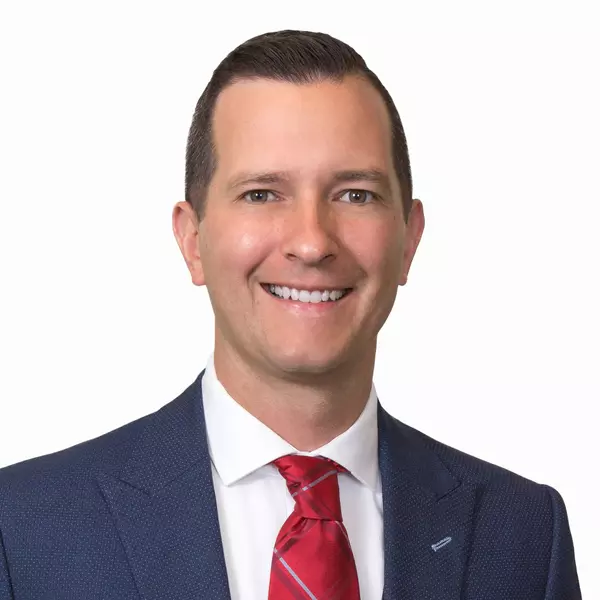
If you're considering purchasing a home in Nashville or Middle Tennessee, connect with Your Home Sold Guaranteed Realty – Michael Szakos.
We'll help you navigate the buying process from the home search through inspections, negotiations, and closing.
Because the questions you ask before getting the keys can matter just as much as the questions you ask afterward.
This article provides general educational information and is not legal, insurance, inspection, or professional contracting advice. Real estate laws, contracts, insurance policies, warranties, and individual circumstances vary. Consult an appropriately qualified professional regarding your specific situation.
Categories
Recent Posts





GET MORE INFORMATION
Broker License ID: TREC #265434
7209 Haley Industrial Drive #100, Nolensville, TN 37135, USA