You Love the House… But What’s Being Built Next Door?
You Love the House… But What’s Being Built Next Door?
Before buying a home, look beyond the property itself. Nearby development, vacant land, roads, zoning, traffic, commercial projects, and future neighborhood changes can all affect what it’s like to live there.
You found the house.
The kitchen is exactly what you wanted.
The backyard is beautiful.
The street feels quiet.
And behind the house?
Nothing.
Just trees.
Or maybe an open field.
Or a large piece of vacant land that makes the property feel private.
It’s easy to look at that setting and imagine it staying exactly that way.
But before you make an offer, there’s an important question to ask:
Do you actually own that view—or are you simply enjoying someone else’s undeveloped property?
Because the house you’re considering may stay largely the same.
The land around it might not.
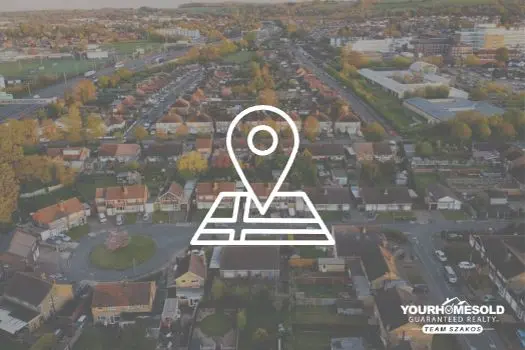
A vacant parcel could eventually become another subdivision. A quiet road could be widened. New commercial development could arrive nearby. Another phase of the neighborhood could be built. Trees on property you don’t own could potentially disappear.
And sometimes those changes could be positive.
A new park, restaurant, school, trail, road improvement, or shopping area might make the location more convenient or attractive to you.
The point isn’t to assume future development will be good or bad.
The point is to investigate what you’re actually buying into before you buy it.
You’re Buying More Than the House
When buyers tour homes, most of their attention naturally goes to the property.
How big is the kitchen?
How old is the roof?
Does the primary bedroom work?
Is there enough storage?
Can the dog use the backyard?
Where will the furniture go?
Those are important questions.
But there’s another category of questions that deserves attention:
What’s happening around the property?
Your home’s surroundings can affect your daily experience in ways that have nothing to do with the countertops or flooring.
- Traffic
- Noise
- Nearby land uses
- Construction
- Road access
- Future development
- Neighborhood expansion
- Commercial activity
- Drainage and grading
- Views
- Walkability
- Nearby amenities
Some of these things can change after you purchase.
And unlike paint or flooring, you generally can’t renovate the neighborhood yourself.
That Beautiful Vacant Land May Not Stay Vacant
One of the easiest assumptions for a buyer to make is:
“There’s nothing behind the house.”
But “nothing” may actually be privately owned land with its own development possibilities.
A field is still property.
A wooded parcel is still property.
An empty lot is still property.
And unless you own that property or have enforceable rights affecting its use, you shouldn’t automatically assume it will remain exactly as you see it today.
That doesn’t mean development is definitely coming.
It means the current appearance of land does not necessarily tell you what may happen there in the future.
Before buying a home because you love the privacy behind it, find out what you reasonably can about that land.
Ask: Who Owns the Property Around the House?
This is a simple question that can lead to useful information.
If there is vacant land beside or behind the house, try to determine whether it is:
- Another residential parcel
- Common area
- HOA-owned property
- Public property
- Privately owned acreage
- Land associated with another development
- A future phase of the existing community
- Commercial property
- Land subject to other plans or restrictions
The answer can change how you evaluate the property.
For example, buyers may view permanent neighborhood common space differently from privately owned undeveloped acreage.
But even then, don’t rely on assumptions.
Documentation matters.
What Is That Land Zoned For?
Buyers often hear the word “zoning” and assume it will provide a simple answer.
It can provide useful information, but the situation may be more complicated.
Zoning generally affects how property may be used, but buyers should be careful about treating today’s zoning designation as a permanent guarantee of what will or will not happen.
Depending on the jurisdiction and circumstances, land-use rules, approvals, plans, and zoning can potentially change.
So if nearby land is extremely important to your buying decision, consider investigating:
- Current zoning
- Current land use
- Proposed zoning changes
- Pending development applications
- Approved plans
- Relevant planning documents
- Publicly available meeting or planning information
The specific information available and the agencies responsible for it will vary by location.
Think of zoning as information to investigate—not a promise that everything around the house will remain unchanged forever.
Proposed and Approved Are Not the Same Thing
This distinction matters.
You may hear:
“They’re building apartments over there.”
Or:
“I heard that’s going to be a shopping center.”
Or:
“Someone said they’re putting 200 houses behind this neighborhood.”
Maybe.
But neighborhood rumors aren’t the same as documented plans or approvals.
Projects can move through multiple stages.
A proposal may never be approved.
An approved project may change.
Timelines can shift.
Ownership can change.
Plans can be revised.
Projects can be delayed or abandoned.
So when researching future development, try to distinguish among:
- Rumor
- Proposal
- Application
- Approval
- Construction actually underway
Those are very different things.
Check for Future Phases of the Neighborhood
This is especially important when buying in or near newer construction.
A neighborhood may look almost complete when you visit.
But there could be additional phases planned.
That might mean more:
- Homes
- Streets
- Construction traffic
- Community amenities
- Residents
- HOA activity
- Infrastructure
Additional phases aren’t automatically a negative.
In fact, some buyers may like seeing the community grow and amenities develop.
But you should understand what may still be coming.
If you’re buying specifically because your street currently feels like the edge of the neighborhood, investigate whether it is actually intended to remain the edge.
Your “Private Backyard” May Depend on Land You Don’t Own
Imagine two houses.
House A backs to land that is part of the property’s own lot.
House B has a smaller lot but visually appears to have a huge wooded backdrop because another property owner owns the trees behind it.
At first glance, both might feel private.
But they’re not necessarily the same situation.
That’s why buyers should understand property boundaries.
A fence, tree line, landscaping pattern, or mowing pattern does not necessarily tell you where legal ownership begins and ends.
If boundaries are important to your purchase decision, appropriate surveys, title information, plats, and qualified professionals may be helpful depending on the situation.
Don’t confuse what you can see with what you actually own.
Road Projects Can Change How a Location Feels
The house may sit on a quiet road today.
But are transportation improvements planned nearby?
Potential changes might include:
- Road widening
- New intersections
- Turn lanes
- Traffic signals
- New road connections
- Sidewalks
- Bike infrastructure
- Transit-related changes
- Other transportation projects
Again, these changes aren’t automatically negative.
A road improvement could make travel easier.
New sidewalks could improve connectivity.
A new connection could shorten a commute.
But some buyers may have concerns about increased traffic, noise, construction, or changes to the character of the immediate area.
If road conditions are an important reason you’re buying the property, investigate whether relevant public transportation projects are planned.
New Commercial Development Can Be a Benefit—or a Drawback
Suppose someone tells you a new shopping area is being built nearby.
Is that good?
It depends on you.
One buyer might think:
“Great. I’ll be five minutes from restaurants and groceries.”
Another might think:
“I bought here because I wanted to be away from commercial activity.”
Both reactions can be reasonable.
Nearby commercial development may bring things such as:
- Restaurants
- Grocery stores
- Retail
- Services
- Entertainment
- Employment
- Convenience
It may also potentially affect:
- Traffic
- Lighting
- Noise
- Views
- Driving patterns
- The character of an area
Don’t automatically categorize development as good or bad.
Ask whether the possible changes fit the lifestyle you’re trying to buy.
Construction Itself Can Last Longer Than Buyers Expect
There’s another consideration that has nothing to do with the final development.
The construction process.
If you’re buying near a growing subdivision or major project, there may be a period of:
- Construction vehicles
- Equipment
- Noise
- Dust
- Temporary traffic changes
- Workers entering and leaving the area
- Ongoing building activity
How significant that becomes depends entirely on the project and location.
But if peace and quiet during your first years in the home are especially important to you, nearby active or anticipated construction deserves consideration.
Pay Attention to Grading and Drainage
Development isn’t only about what buildings may appear.
Changes to surrounding land can also matter.
Construction may involve grading, drainage infrastructure, roads, retaining features, stormwater systems, and other site work.
Buyers should avoid assuming they can predict exactly how a future project will affect a particular property.
If drainage, flooding, grading, easements, or similar site conditions are a concern, those issues may require review by appropriate inspectors, surveyors, engineers, local authorities, insurance professionals, or other qualified experts.
This is an area where professional evaluation can be much more valuable than guessing from a map or standing in the backyard.
Look Beyond the Property Directly Next Door
Future development doesn’t have to share your property line to affect your experience.
Look at the broader area too.
What’s happening:
- Down the street?
- At the neighborhood entrance?
- Along your commute?
- Behind the subdivision?
- At the nearest major intersection?
- On large undeveloped parcels nearby?
- Along roads you will use every day?
A project half a mile away may matter more to your daily routine than the property immediately next door.
Visit the Neighborhood at Different Times
Maps and public records can tell you a lot.
But sometimes the best research is simply showing up.
A neighborhood can feel very different at:
- 7:30 a.m. on a weekday
- Noon
- School dismissal time
- 5:30 p.m.
- Friday evening
- Saturday afternoon
- Late evening
A road that seems quiet during your Sunday open house could have very different weekday traffic.
Nearby businesses may operate differently at night.
School traffic may affect certain streets.
A sports complex, event venue, park, or other facility may create activity only at particular times.
If those factors matter to you, visit more than once.
Listen, Don’t Just Look
When buyers tour a property, they often spend the entire visit talking.
Try being quiet for a moment.
Go into the backyard.
Listen.
Can you hear a highway?
Aircraft?
A nearby business?
Construction?
Trains?
Sports fields?
Traffic?
Dogs?
None of these automatically make a home undesirable.
Some buyers won’t care at all.
But it’s better to experience the normal surroundings before buying than discover something important after moving in.
Check What Is Being Built Nearby
Depending on where the property is located, buyers may be able to find useful information through local government or public resources.
Potential sources can include:
- City or county planning departments
- Zoning information
- Planning commission materials
- Development applications
- Public meeting agendas
- Transportation agencies
- Property records
- Recorded plats
- HOA or community documents
- Builder information for active developments
Exactly what is available varies by jurisdiction.
In Middle Tennessee, the appropriate source may also differ depending on whether the property is within a city, an unincorporated county area, or another jurisdiction.
Public information is a snapshot—not a guarantee that plans will never change.
Don’t Rely Solely on What Someone Tells You
Suppose you’re standing in the backyard and ask:
“Will anything ever be built behind here?”
Be cautious about treating an informal answer as a guarantee.
The seller may not know.
The listing agent may not know.
Your buyer’s agent may not know.
A neighbor may sincerely believe they know—and still be working from outdated information.
Even publicly available information can change.
When an issue is important enough that it could affect your decision to buy, investigate it through appropriate sources and documentation.
Your Agent Can Help—but Your Agent Isn’t a Fortune Teller
A real estate professional can help buyers identify questions to ask, locate available information, review relevant property information, and direct buyers toward appropriate resources.
But no agent can guarantee what will happen to every surrounding parcel years into the future.
The same applies to:
- Traffic
- Future businesses
- School zoning
- Development
- Neighborhood conditions
- Property values
The goal isn’t to predict the future perfectly.
That’s impossible.
The goal is to make a more informed decision using information reasonably available today.
What If the Seller Says the Land Will Never Be Developed?
Treat that as something worth verifying rather than automatically relying on it.
There may be a legitimate reason.
Perhaps the land is common area.
Perhaps there are restrictions.
Perhaps there is a conservation arrangement.
Perhaps the seller is referring to information they received years ago.
But if the undeveloped land is one of the primary reasons you want the house, ask what supports the statement.
Important buying decisions deserve more than “someone told me.”
Don’t Forget HOA and Community Documents
If the property is in a homeowners association or planned community, available community documents may contain information worth reviewing.
Depending on the community, documents might address matters such as:
- Common areas
- Amenities
- Future phases
- Maintenance responsibilities
- Architectural standards
- Community rules
- Assessments
- Other association matters
The documents available and the buyer’s review rights depend on the particular property, transaction, and applicable requirements.
If community plans are important to your decision, make sure you’re reviewing the appropriate information rather than relying solely on marketing materials.
Future Development Can Improve a Location Too
It’s easy for an article about development to sound like a warning.
That misses half the story.
Imagine buying in an area and later getting:
- A new park
- Walking trails
- Better road access
- Restaurants
- Grocery options
- Community amenities
- Improved infrastructure
- Nearby services
Those changes might make everyday life more convenient.
Some buyers intentionally purchase in growing areas because they want to be near expanding amenities.
Others prefer established areas where there may be less construction or change.
Neither preference is universally correct.
The question is whether the area’s likely direction fits what you want from the property.
Be Careful Trying to Predict Property Values
Buyers sometimes hear about a future project and immediately jump to:
“That’s going to make this house worth more.”
Or:
“That’s going to destroy the value.”
Be careful with both conclusions.
Future property values depend on many factors, including overall market conditions, supply, demand, interest rates, the property itself, buyer preferences, economic conditions, and what actually gets developed.
Even if a project is completed, different buyers may react differently to it.
Investigate future development because it may affect your use and enjoyment of the property—not because anyone can guarantee what it will do to the home’s future value.
Before You Make an Offer: Neighborhood Research Checklist
Before committing to a home, especially when surrounding land or future development matters to you, consider asking:
- Who owns the vacant land nearby?
- What is the current zoning or land-use designation?
- Are there publicly available development applications or proposals?
- Are any projects already approved?
- Is the neighborhood expected to have additional phases?
- Are transportation or road projects planned nearby?
- Are there major undeveloped parcels in the surrounding area?
- Could nearby commercial development affect how you use the property?
- Do you understand the property’s actual boundaries?
- Have you reviewed available HOA or community information?
- Have you visited the area during different times and days?
- Have you listened for traffic, trains, aircraft, businesses, construction, or other recurring noise?
- Are there grading, drainage, easement, or site issues that deserve professional review?
- Are you relying on documented information—or neighborhood rumors?
- If something around the property changed, would you still want to own the house?
That last question may be the most important.
Ask Yourself the “What If?” Question
Suppose you’re buying the home primarily because of the field behind it.
Ask:
“If homes were eventually built there, would I still want this property?”
If you’re buying because the road feels incredibly quiet:
“If traffic increased, would I still be happy here?”
If you’re buying because you can walk to an undeveloped area:
“Do I actually have a right to use that property?”
If you’re paying a premium for the view:
“What protects that view, if anything?”
You aren’t trying to imagine every possible negative scenario.
You’re testing whether the house still works for you if something you don’t control changes.
Frequently Asked Questions
How do I find out what’s being built near a house?
Depending on the jurisdiction, useful information may be available through city or county planning departments, zoning resources, development applications, public meeting materials, transportation agencies, property records, recorded plats, HOA documents, or active builders. Availability and terminology vary by location.
Should I check zoning before buying a house?
If nearby land use is important to your purchase decision, current zoning can be useful information. However, zoning alone should not be treated as a guarantee of all future land uses because plans, approvals, regulations, or zoning may potentially change.
Is buying next to vacant land risky?
Vacant land isn’t automatically a problem. The important point is understanding that land you don’t own may not remain in its current condition forever. Buyers should investigate ownership, current use, available zoning information, and known or proposed plans when those factors matter to their decision.
Can the view behind my house change?
Potentially. If the view depends on land you don’t own or control, future changes to that property may affect what you see. Buyers who place significant value on a view should investigate property boundaries and relevant surrounding land information.
Can my real estate agent tell me exactly what will be built nearby?
An agent may be able to help locate available information and identify useful resources, but future development cannot always be predicted or guaranteed. Plans can change, and not every possible future project will necessarily be known at the time you purchase.
How can I find planned road projects near a property?
Local or state transportation agencies, city or county planning resources, capital improvement information, and public meeting materials may contain relevant information. The appropriate source depends on the property’s jurisdiction and the road involved.
Should I avoid buying near new development?
Not automatically. Some buyers value new amenities, infrastructure, retail, parks, and growth. Others prioritize privacy, lower traffic, or established surroundings. Evaluate the specific development and whether it aligns with your priorities.
Should I trust what neighbors say about future development?
Neighbors can be a useful source of local context, but verbal information should not be treated as definitive proof of future plans. If the issue matters to your purchase, try to verify it through appropriate records or official sources.
What if development is only proposed?
A proposal is not necessarily the same as an approved or completed project. Proposed developments can change, be delayed, fail to receive approval, or never be built. Buyers should distinguish between rumors, proposals, applications, approvals, and projects actually under construction.
What should I research about a neighborhood before making an offer?
Consider the surrounding land, roads, traffic, nearby land uses, future development, community plans, noise, property boundaries, HOA information, infrastructure, and anything else that materially affects how you expect to use and enjoy the property.
The Bottom Line
It’s easy to fall in love with what you see during a showing.
The quiet street.
The wooded backyard.
The open field.
The beautiful view.
The undeveloped land.
But before you make one of the biggest purchases of your life, look beyond the property lines.
Ask what you know.
Ask what you don’t know.
Separate documented information from rumors.
And pay particular attention to the things that matter most to your decision.
You cannot know exactly what every neighborhood will look like five, ten, or twenty years from now.
But you can make an effort to understand what’s there today, what’s currently known or proposed, and which parts of the home’s surroundings are outside your control.
You aren’t just buying the house. You’re buying its surroundings—and those surroundings can change.
Buying a Home in Nashville or Middle Tennessee?
At Your Home Sold Guaranteed Realty – Michael Szakos, we believe a great home search involves looking beyond bedrooms, bathrooms, countertops, and square footage.
Our team can help buyers think through the bigger picture—including the property’s location, surrounding area, available property information, comparable homes, potential questions to investigate, and the factors that matter most to their decision.
And our buyer programs are designed to add additional value and confidence to the home-buying experience, including our Buyer Satisfaction Guarantee, Buyer Cash Savings Guarantee, and VIP Buyer Program.
If you’re considering buying in Nashville or Middle Tennessee, connect with Your Home Sold Guaranteed Realty – Michael Szakos and let’s evaluate not just the house you’re considering—but the place you’ll actually be living.
This article is for general educational purposes only and is not legal, zoning, land-use, surveying, engineering, environmental, appraisal, financial, investment, tax, insurance, or lending advice. Development proposals, zoning, transportation projects, property uses, school assignments, community plans, and other conditions may change. Buyers should independently verify information important to their purchase and consult the appropriate government agencies and qualified legal, real estate, surveying, engineering, inspection, title, insurance, financial, or other professionals when appropriate.
Categories
Recent Posts






GET MORE INFORMATION

Broker License ID: TREC #265434
7209 Haley Industrial Drive #100, Nolensville, TN 37135, USA